African wildlife becomes a world of landscapes, movement and curiosity at BIOPARC Valencia. The park brings animals, vegetation and settings inspired by African habitats together in an experience that encourages visitors to look closely. Within Valencia, a day here offers a change of pace: time to pause, notice behaviour and consider how each species belongs to a wider natural environment. The journey begins with observation and can continue with questions that remain long after the visit.
The approach at BIOPARC Valencia centres on zoo-immersion, a design concept that places the visitor's route within recreated natural landscapes. Animals are part of the experience alongside water, rock formations and vegetation, rather than being presented without environmental context. This relationship between wildlife and setting gives the visit a sense of continuity and encourages a broader understanding of biodiversity: not simply which animals live in a habitat, but how that habitat helps define their lives.
BIOPARC Valencia: African habitats within the city
Located beside Parque de Cabecera, near the Turia Gardens, BIOPARC Valencia brings wildlife observation into a day out in Valencia. Its urban setting makes it possible to plan an experience focused on nature while remaining within the city. For visitors who associate Valencia with architecture, neighbourhoods and cultural attractions, the park offers another perspective. Attention shifts from streets and buildings to animal movement, landscape details and the variety of life represented in its African environments.
Four main settings shape the identity of BIOPARC Valencia: the savannah, equatorial forests, African wetlands and Madagascar. Together, they create a journey through different natural environments rather than a sequence of unrelated animal encounters. Each setting provides a new frame of reference for observation. Visitors can consider how landscapes differ, why water matters in one environment or what makes the wildlife associated with an island distinct from species found elsewhere. The changing context gives the route a clear sense of variety.
Zoo-immersion and the value of looking closely
Zoo-immersion aims to create visual continuity between animals and their surroundings. Landscape features help visitors experience the route as a series of recreated habitats, where the eye can move naturally between vegetation, water and wildlife. This approach invites a more contextual way of looking. Identifying an animal remains part of the pleasure, but the setting also encourages visitors to notice its position, the space around it and the details that might otherwise remain in the background.
The experience rewards curiosity rather than speed. Spending a little longer in front of one environment can reveal something that a quick glance would miss. A visit built around patient observation leaves room for those moments: following a movement, noticing a change in posture or comparing what different people have seen. There is no single detail that every visitor must find meaningful. The interest often comes from allowing attention to settle and seeing which aspect of the scene gradually becomes the most compelling.
Looking closely can also change the questions visitors ask. Instead of moving directly from an animal's name to the next stop, a group might wonder how its body relates to the landscape or why it spends time in a particular place. This connection between observation and understanding gives the visit depth without requiring specialist knowledge. BIOPARC Valencia provides the setting; the visitor's willingness to remain curious helps turn a walk through the park into a more thoughtful experience.
The African savannah and its distinctive wildlife
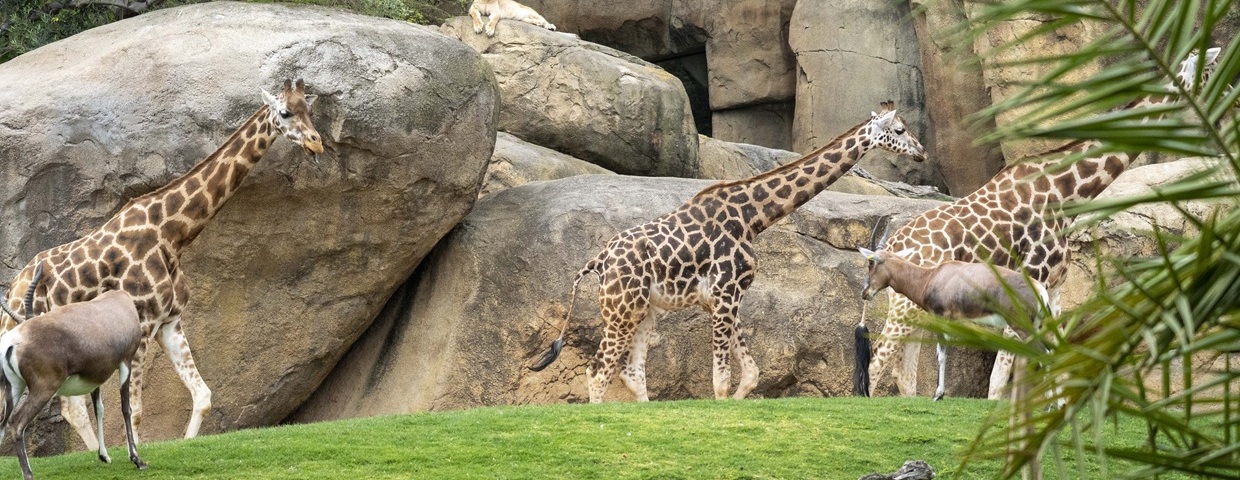
The savannah introduces one of the most recognisable landscapes within BIOPARC Valencia. Giraffes, rhinoceroses and antelopes are among the animals associated with this environment, offering a starting point for appreciating the variety of African wildlife. Familiar names become an opportunity to notice differences in size, shape and movement. The wider setting provides context for those comparisons, encouraging visitors to think about animals as inhabitants of an environment rather than as isolated subjects to photograph or identify.
A shared stop in this area can produce several different experiences at once. One person may focus on an animal's height, another on its outline and someone else on a small movement. These different ways of looking at the same landscape help make the visit engaging for mixed-age groups and people with different interests. Knowing a great deal about wildlife is not a prerequisite. A simple observation can become the beginning of a conversation, with each person contributing something the others had not noticed.
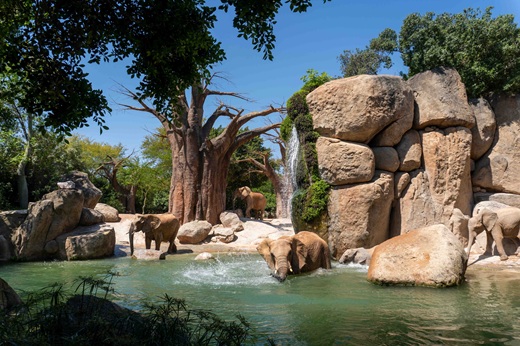
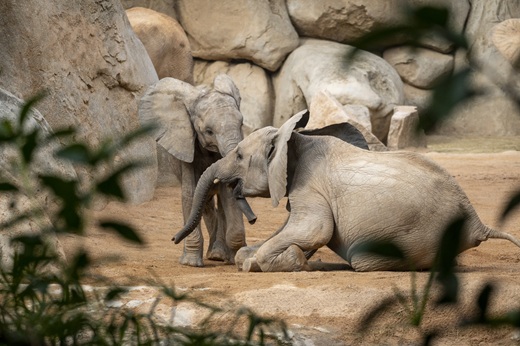
Elephants and the baobab landscape provide another characteristic setting at BIOPARC Valencia. Their presence invites attention to the scale of wildlife and its surroundings, while leaving plenty of room for smaller details. A pause, a shift in position or a particular way of moving can become the focus of the moment. The experience does not need a dramatic event to be memorable. Observing an animal during an ordinary part of its day can be enough to hold attention and create a lasting impression.
Equatorial forests and a different perspective on primates
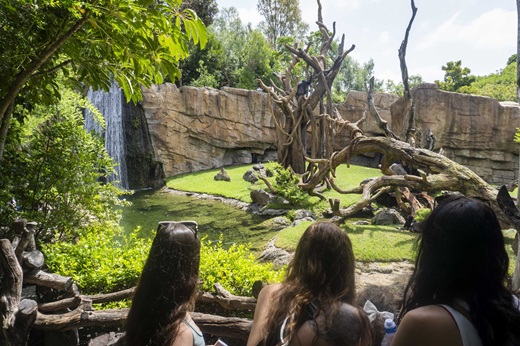
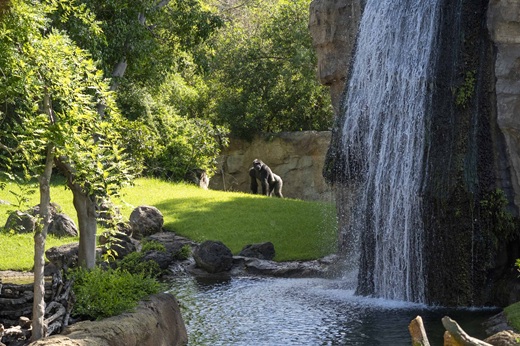
The equatorial forest environments bring a change in visual focus. Vegetation and the arrangement of the setting encourage visitors to look at different parts of the space and search for details. Gorillas and chimpanzees form part of this context at BIOPARC Valencia, introducing the diversity of African primates. Watching them offers opportunities to recognise differences between species and individuals, while keeping the surrounding habitat in view. Their presence adds another dimension to a route that moves between contrasting African landscapes.
Primate observation often draws attention to posture, gestures and relationships between individuals. A thoughtful visit allows those details to be interesting without assuming that every action carries a familiar human meaning. A respectful approach to observing other species recognises that animals have their own needs and ways of responding to the world. That awareness can enrich the experience: visual proximity becomes an opportunity for curiosity, while reminding visitors that understanding an animal requires more than finding similarities with ourselves.
The forest settings also encourage attention beyond the most recognisable animals. Looking at the environment surrounding a species can help visitors consider what it needs to live and why its natural habitat matters. This relationship between wildlife and habitat opens up questions that can continue after the day out. A family might want to learn more about a particular species, while another visitor may become interested in the challenges facing its environment. Observation provides a starting point for those interests rather than a complete answer.
African wetlands and the wildlife of Madagascar
Water becomes a defining feature in the African wetlands. The recreation of Kitum Cave and underwater views of hippopotamuses offer a different perspective within BIOPARC Valencia. This part of the route invites visitors to consider wildlife in an aquatic setting and how a change in viewpoint can alter what they notice. An animal that seems familiar from photographs may become newly interesting when seen in relation to another part of its environment. The wetlands add contrast to the wider experience.
Looking beneath the surface encourages a different kind of attention. The scene extends beyond the landscape immediately in front of the visitor, creating an opportunity to think about life in another medium. The shift between land and water perspectives can prompt new questions about movement and surroundings. For a group visiting together, this change of viewpoint also creates a useful moment to compare impressions: what seemed most striking, which detail was unexpected and how the setting influenced what each person saw.
Madagascar introduces another distinct context to the route. Lemurs bring attention to wildlife closely associated with the island, offering opportunities to observe movement and behaviour within its recreated environment. The distinctive biodiversity of Madagascar broadens the visit beyond the large animals commonly linked with the savannah. At BIOPARC Valencia, this setting contributes to a more varied picture of African nature and encourages visitors to appreciate that different regions support different forms of life, each with its own interest and conservation context.
A day to share with family, a partner or friends
BIOPARC Valencia offers a setting for spending time together through shared curiosity about animals and nature. During a family visit, children's questions can shape the pace and lead to conversations that engage adults too. For couples or friends, the route creates opportunities to pause, compare observations and enjoy an activity with a different rhythm from other city plans. The experience can accommodate different interests because there is no single way to look at an animal or respond to a landscape.
Visitors do not need specialist knowledge to take an active interest in the day. Recognising a species can be a starting point, but so can noticing a detail without knowing its name. Using observation as the beginning of learning allows people of different ages and backgrounds to participate. One person's question may encourage another to look more carefully. A conversation about a movement or a setting can give a stop greater meaning than simply recording that the group has reached another part of the park.
Leaving room for pauses helps make the experience more comfortable and rewarding. A visit with time to observe and rest allows groups to respond to their own interests rather than treating the route as a race. Some people may want to stay longer in one environment, while others are drawn to a different setting. Agreeing on a few shared moments can help balance those preferences. The aim is to give the day enough flexibility for curiosity, conversation and the practical needs of everyone taking part.
Conservation, education and responsible observation
The identity of BIOPARC Valencia includes a commitment to biodiversity conservation. The park participates in species conservation programmes and connects its activity with education about the natural world. This context adds another layer to the visit. Animals can inspire admiration, but they also provide an opportunity to think about their needs and the importance of protecting populations and habitats. The experience invites visitors to place what they see within a wider conversation about wildlife rather than limiting the day to visual encounters.
A visit can begin meaningful conversations without requiring immediate answers to every question. Understanding that an animal needs an appropriate environment is a straightforward idea with wider implications. The connection between knowledge and respect helps give observation a purpose: interest in a species can encourage further reading about its habitat, the pressures it faces and the work involved in its conservation. Those questions may develop gradually, making the day at BIOPARC Valencia the beginning of an interest that continues elsewhere.
Following staff instructions and respecting park rules supports a responsible approach to watching animals. Their activity can vary, and not every individual will necessarily be visible at every moment. Accepting that variability helps visitors approach the experience with realistic, open expectations. A day at an animal park is more rewarding when attention rests on what can be observed rather than on demanding a particular behaviour or photograph. Respect for the animals remains part of the experience throughout the route.
Planning a nature-focused visit in Valencia
BIOPARC Valencia is located at Avenida Pío Baroja, 3, beside Parque de Cabecera. Considering its position within the city helps visitors organise the journey and decide how it fits into the day. Giving thought to location and available visiting time is especially useful when planning several activities. Leaving a reasonable margin between them allows the park experience to unfold more naturally, with space for pauses and without the pressure of having to move on just as something has captured the group's attention.
Opening hours and access conditions should be checked for the chosen day. Visitors should also follow the specific guidance provided for areas and activities during their visit. This practical preparation before arrival helps address questions that could affect the day, particularly when travelling with children or when someone has specific accessibility requirements. Resolving those details in advance can make it easier to focus on the experience within the park and adapt the route to the needs of the people visiting together.
The memory of BIOPARC Valencia may rest on a single image, a question about an animal or a conversation that began beside one of its landscapes. Within a city offering many ways to spend a day, the park provides room for attention, curiosity and a closer interest in nature. Its value can extend beyond the visit itself, as people return to everyday life with a new subject to explore or a stronger awareness that the animals they have observed belong to a wider world worth understanding.
Useful info about BIOPARC Valencia
What kind of experience does BIOPARC Valencia offer?
BIOPARC Valencia offers a visit to an animal park focused on African habitats and designed around zoo-immersion. The route combines wildlife observation, recreated landscapes and an educational approach connected with conservation.
Where is BIOPARC Valencia located?
The park is at Avenida Pío Baroja, 3, in Valencia, beside Parque de Cabecera and near the Turia Gardens. You can find the venue on the BIOPARC Valencia page.
Which environments can visitors explore at BIOPARC Valencia?
The route includes settings inspired by the African savannah, equatorial forests, African wetlands and Madagascar. Animal visibility and access to particular facilities may vary.
How should families prepare for a visit to BIOPARC Valencia?
Allow time for observation and rest, check the opening hours for your chosen day and review the access conditions for children. Follow park rules and staff instructions throughout the visit.
Where can visitors buy official tickets for BIOPARC Valencia?
You can check availability and buy official tickets for BIOPARC Valencia at entradas.com. Before completing your purchase, review the date, ticket option and stated access conditions.